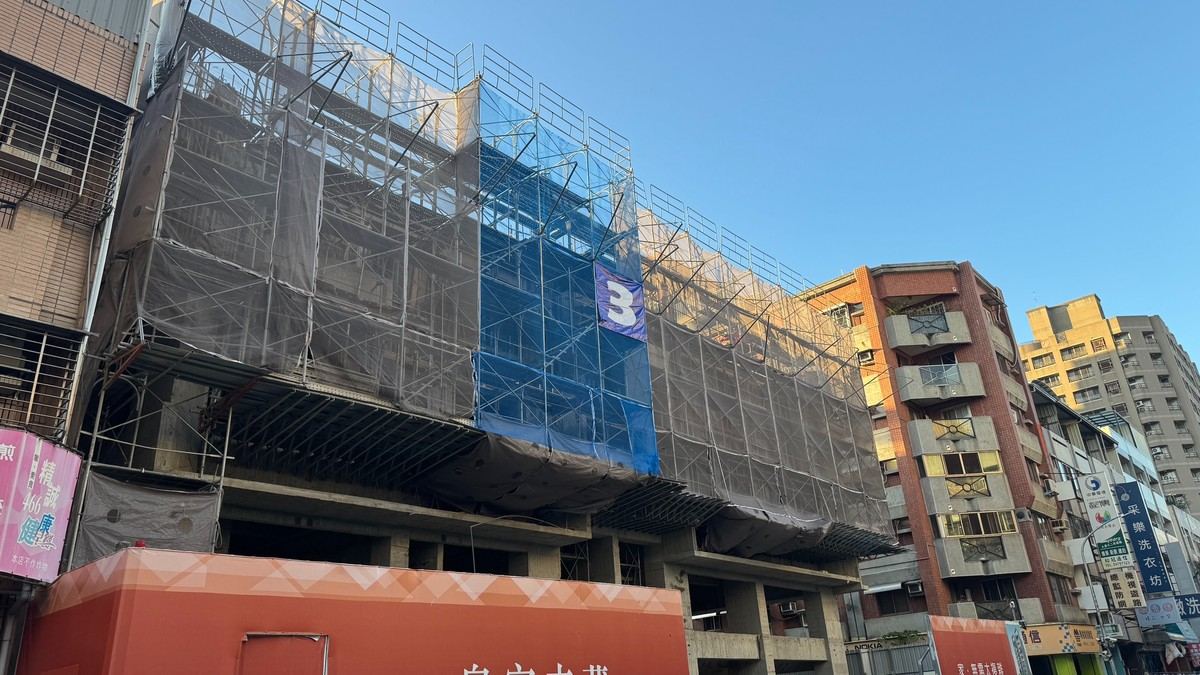
【M傳媒】最高補助138萬!北市老舊公寓大廈修繕補助已開始受理
台北市建管處正式啟動「115年度公寓大廈共用部分維護修繕費用補助執行計畫」,今年市府編列900萬元預算,針對民國92年以前領得使用執照的建築物提供補助,鼓勵社區 ...

平均地權條例是不是也會打到平民老百姓?
aua 寫到 :
一個朋友努力工作很久終於幫自己買一棟小小房
結果雙喜臨門, 第一棟房貸才剛開始還就準備要結婚生子了
空間不夠用, 只好把第一棟轉手, 直接買新的三房
原本去年已經看好坤悅心里程,只差簽約
結果現在有 平均地權條例 , 不得不馬上簽了
假設之後真的正式上路,
這種情況算特殊情況嗎?
Yes, equalization of land rights can impact ordinary people, particularly families upgrading homes or finalizing property transactions during a policy transition period. Whether your friend’s situation qualifies as special consideration will depend on the ordinance’s effective date, contract status, and any transitional clauses protecting pending deals. Authorities sometimes provide temporary measures to prevent unfair disruption, but this must be confirmed officially. Seeking legal guidance before signing ensures proper protection—just as people rely on clear resources like the Zaxby's Menu with Prices for straightforward information before making decisions.
The most important thing about Pagos IMSS is the Calendar of Pagos IMSS . The most important thing is that it is configurable, the most important thing is the most important thing, the most important thing is to visit.
Gracias por compartir información sobre el Calendario de Pagos IMSS. Es importante contar con fuentes confiables para mantenerse al día con las fechas de pago y otros anuncios relevantes. Para más información y actualizaciones, recomiendo visitar
Yes, policies like equalization of land rights can potentially affect ordinary people, especially in situations involving pending transactions or timing-sensitive purchases.
In your example, whether it becomes a “special case” depends entirely on how the regulation is written and enforced—governments usually define transition rules, exemptions, or cutoff dates to protect ongoing agreements, but that isn’t always guaranteed.
For situations like this, people often need clear legal clarification before signing anything, because once a new rule is officially in effect, it can override personal plans even if they were already in progress.
Even communities discussing such policy changes on platforms like Janitor AI-style forums often highlight the same concern: uncertainty during transition periods is usually where ordinary buyers feel the most impact, not just the policy itself.


